Define the job before selecting the tape
Start by documenting the materials, load, exposure and expected service life. For sealing, moisture control, repair and site safety, the best choice is the product whose published limits match the actual installation—not simply the strongest tape on paper.
- Identify both contact surfaces
- Record minimum and maximum temperatures
- Decide whether the bond is temporary or permanent
- Confirm required width, thickness and roll format
Match backing and adhesive to the conditions
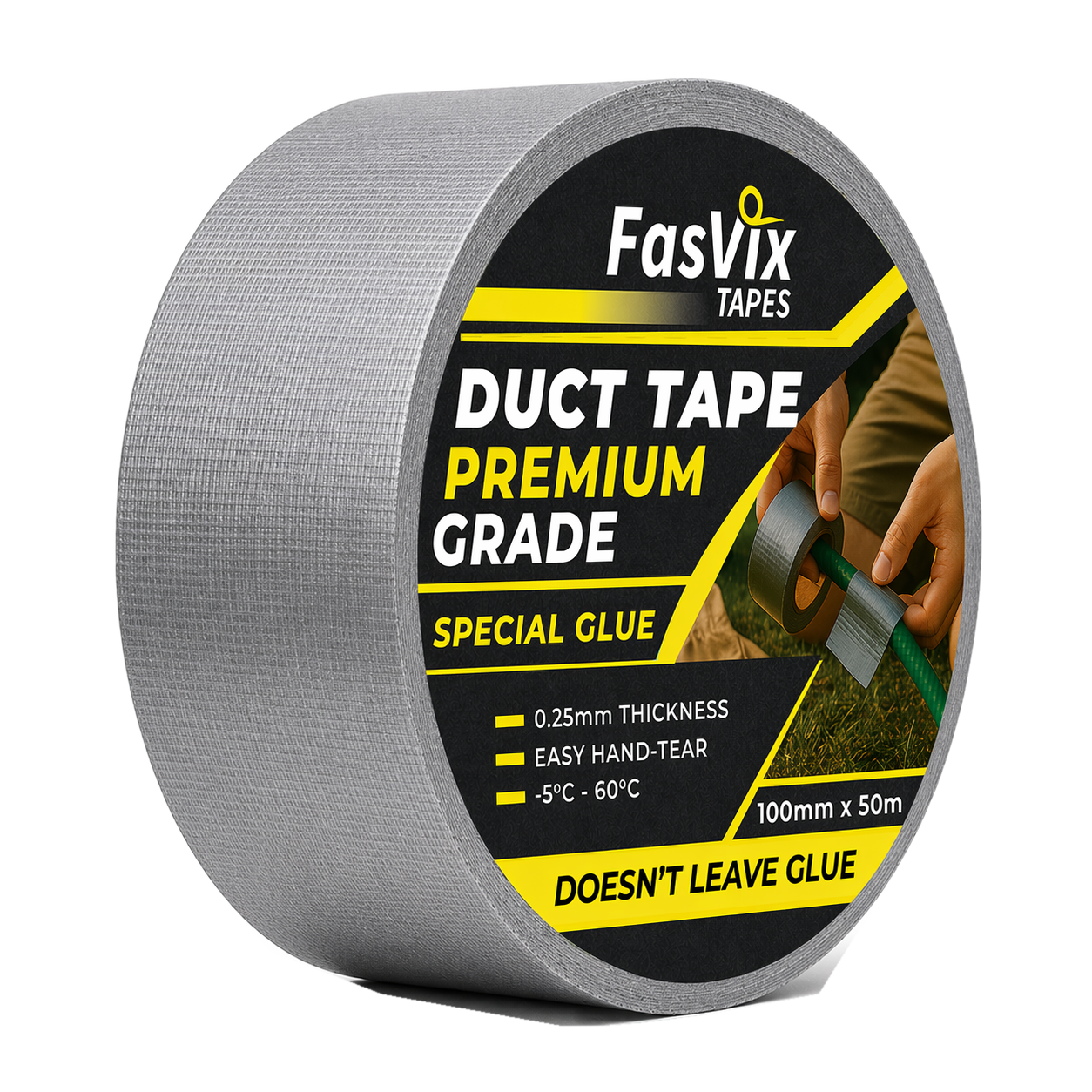
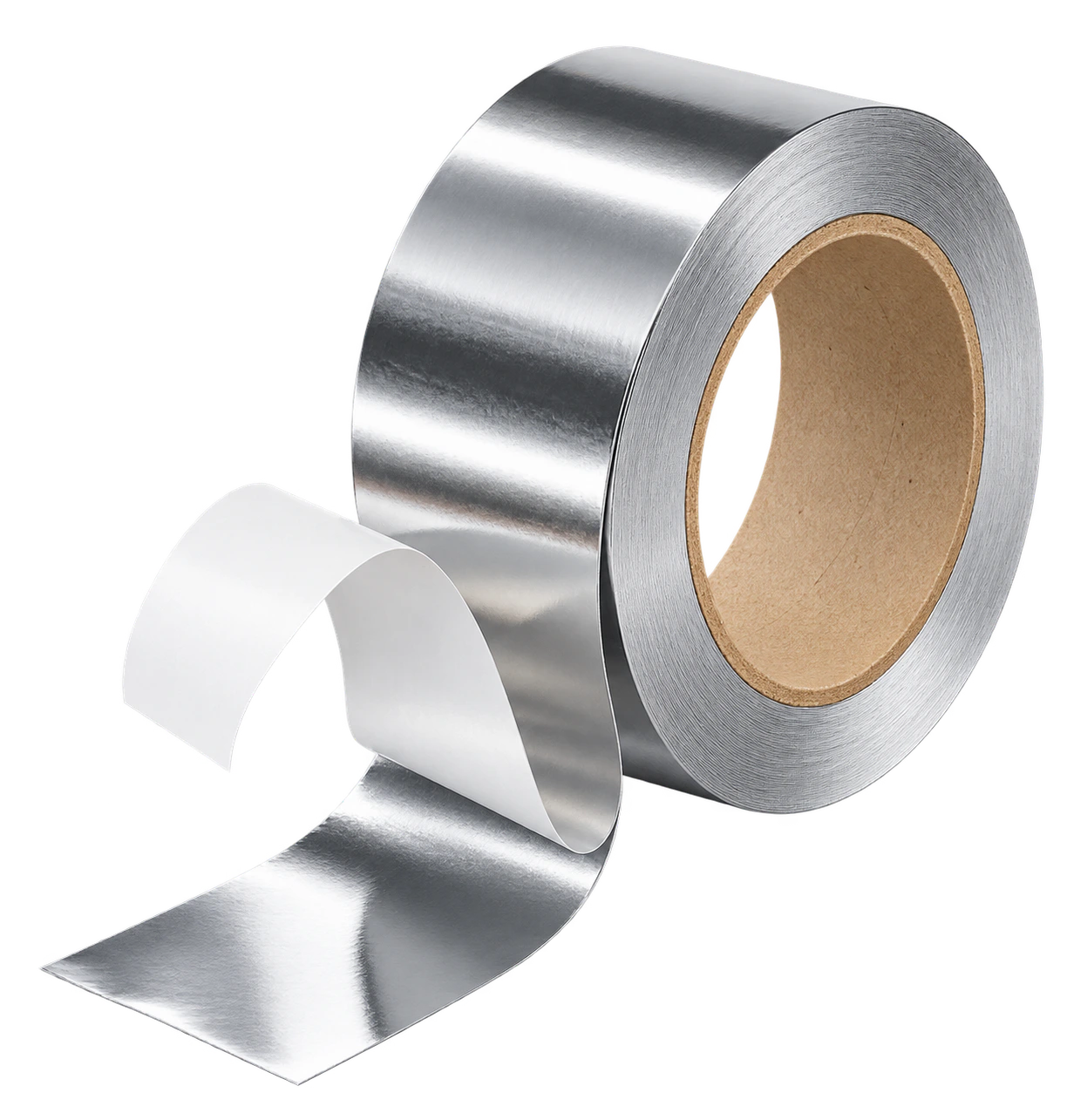
The backing controls strength, conformability and handling. The adhesive controls initial tack, final bond and compatibility with the surface. Acrylic systems generally offer strong ageing and weather resistance; rubber-based systems often provide fast initial grab. Always validate the exact Fasvix product specification.
Prepare and apply consistently
Remove dust, oil, moisture and weak surface layers. Apply within the stated application-temperature range, use firm even pressure and avoid touching exposed adhesive. Rounded corners and protected edges reduce lifting in high-contact areas.
- Clean with a compatible lint-free method
- Allow the surface to dry fully
- Apply without wrinkles or trapped air
- Inspect edges, overlaps and terminations
Validate before full production
Run a representative trial on the real substrate and allow time for the bond to develop. Check peel, movement, environmental exposure and removal behaviour. Record the approved process so operators can reproduce it.
Common mistakes to avoid
Typical failures come from contamination, insufficient pressure, installing outside the approved temperature range, selecting a tape that is too rigid for the geometry, or expecting tape to compensate for a structurally unsound surface.
Frequently asked questions
Can one tape work for every surface?
No. Surface energy, texture, coatings and contamination change adhesion. Confirm compatibility with a representative test.
How much pressure is needed?
Use firm, uniform pressure across the whole bond. A roller helps create consistent adhesive contact.
Where can I find exact limits?
Use the product technical data and request confirmation from the Fasvix technical team for critical applications.
Technical note: This guide provides general selection advice. Product data sheets and validation on the actual substrate and operating conditions remain decisive.